

Climate Resilience

Acting before the crisis hits

ADRA India is building heat and climate resilience across 12 states

2024 was India’s warmest year since records began in 1901. Heatwaves now arrive earlier and last longer, floods follow familiar paths, and landslides strike communities already weakened by repeated shocks. For the people ADRA India works alongside, including outdoor workers, farmers, women in informal settlements, the elderly and children, these are no longer rare events but the operating conditions of the decade ahead. ADRA India is shifting climate work from relief after the disaster to action before it.

What we do

ADRA India strengthens the systems that communities, local authorities, and frontline workers rely on when the climate turns extreme. We combine early warning and anticipatory action with climate-smart livelihoods, nature-based solutions, and disaster preparedness, designed with the most vulnerable groups at the centre, and delivered in partnership with government at national, state, and district levels.

How do we do it?

  • Anticipatory action and early warning, so communities prepare before a heatwave or flood peaks rather than respond after it.
  • Climate risk management and heat resilience in cities and villages, providing cooling spaces, hydration points, shaded rest corridors, and cool-roof interventions.
  • Climate-resilient agroforestry and livelihoods that restore ecosystems while generating stable rural income.
  • Carbon and nature-based solutions, including community-owned tree plantations and carbon-credit generation.
  • Community-based disaster risk reduction and preparedness in flood- and landslide-prone districts.
  • Gender-responsive, community-led adaptation, with women trained to manage and maintain local climate infrastructure.

Advancing Anticipatory Action

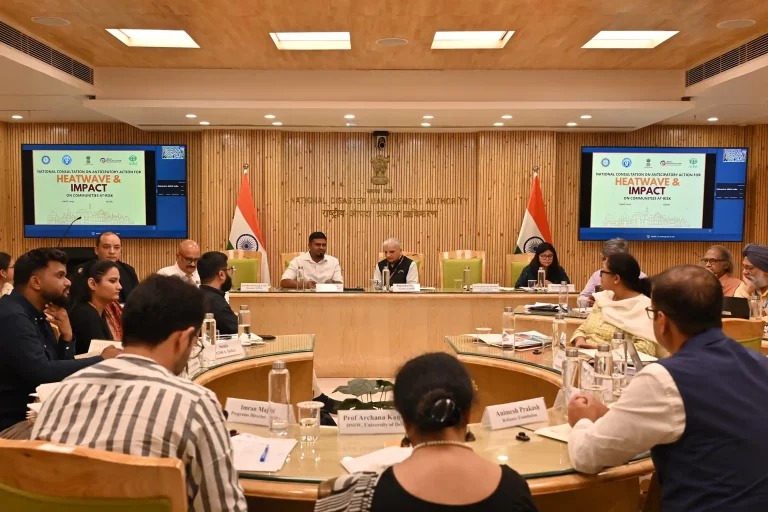
Beyond field projects, ADRA India works to embed anticipatory action within India’s disaster and climate systems through capacity building, policy, and knowledge sharing, including under the RAPID India project.

Capacity building for government and civil society

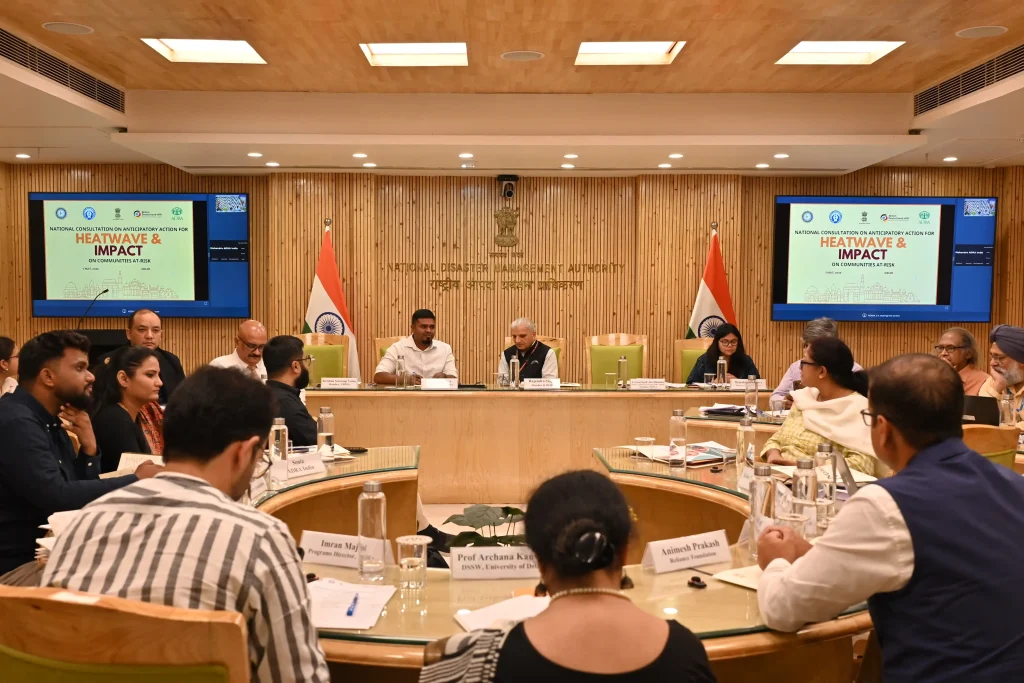
ADRA India is conducting a structured capacity-building initiative aimed at strengthening the ability of government stakeholders, including SDMAs, DDMAs, line departments, local governments, and climate cells, to integrate Anticipatory Action (AA) and Community-Based Disaster Risk Reduction (CBDRR) into disaster management systems. Under the RAPID India project, the workshops seek to move disaster management from a reactive approach to a proactive, forecast-based model by equipping officials with the knowledge and tools needed to interpret early warnings, activate Early Action Protocols (EAPs), engage communities, and mainstream anticipatory approaches into State and District Disaster Management Plans. Through technical sessions, simulations, case studies, and action-planning exercises, the initiative improves coordination among government agencies, civil society, communities, and the private sector while strengthening local preparedness for climate-induced hazards such as floods, cyclones, and heatwaves.

Policy advocacy on anticipatory action

ADRA India is developing a series of evidence-based policy briefs to advance the institutionalisation of Anticipatory Action within India’s disaster risk management and climate adaptation frameworks. Building on lessons from the RAPID India project, the briefs translate field experience, technical consultations, and global best practice into actionable recommendations for policymakers and institutions such as NDMA, SDMAs, and NIDM. They cover forecast-based financing, gender and social inclusion, public-private partnerships, the integration of AA into disaster management plans, and institutional financing mechanisms, bridging the gap between research, practice, and policy. A policy brief on the role of the private sector in advancing AA has already been developed in partnership with the All India Disaster Mitigation Institute.

Outreach and webinars

ADRA India has partnered with Sphere India to run a series of national webinars on forecast-based early action. These virtual sessions bring together government representatives, humanitarian organisations, technical experts, academia, and development practitioners to discuss emerging risks, early warning systems, and operational experience from the field. ADRA India has co-hosted a webinar on anticipatory action for heatwaves, focused on reducing the impacts of extreme heat on vulnerable populations, followed by a monsoon-focused webinar on preparedness, early action, and coordination for flood-related risks. Together, these platforms are building a community of practice around anticipatory action and supporting proactive disaster risk management across the country.

Ongoing Projects

InCRIS

Integrated Climate Risk Management in India

InCRIS is strengthening how India manages extreme-heat risk, from national policy down to the street and the farm. Working as a National Implementation Partner to GIZ and in close collaboration with the National Disaster Management Authority (NDMA) and Ministry of Home Affairs (MHA), ADRA India is piloting gender-responsive, community-based adaptation in two contrasting settings: dense urban Delhi-NCR and peri-urban, agrarian Amravati in Maharashtra. The project aligns institutions, communities, and climate-risk financing around early, inclusive heat preparedness, and feeds evidence from the ground back into national frameworks such as the Delhi Heat Action Plan.

Anticipatory Heatwave Response

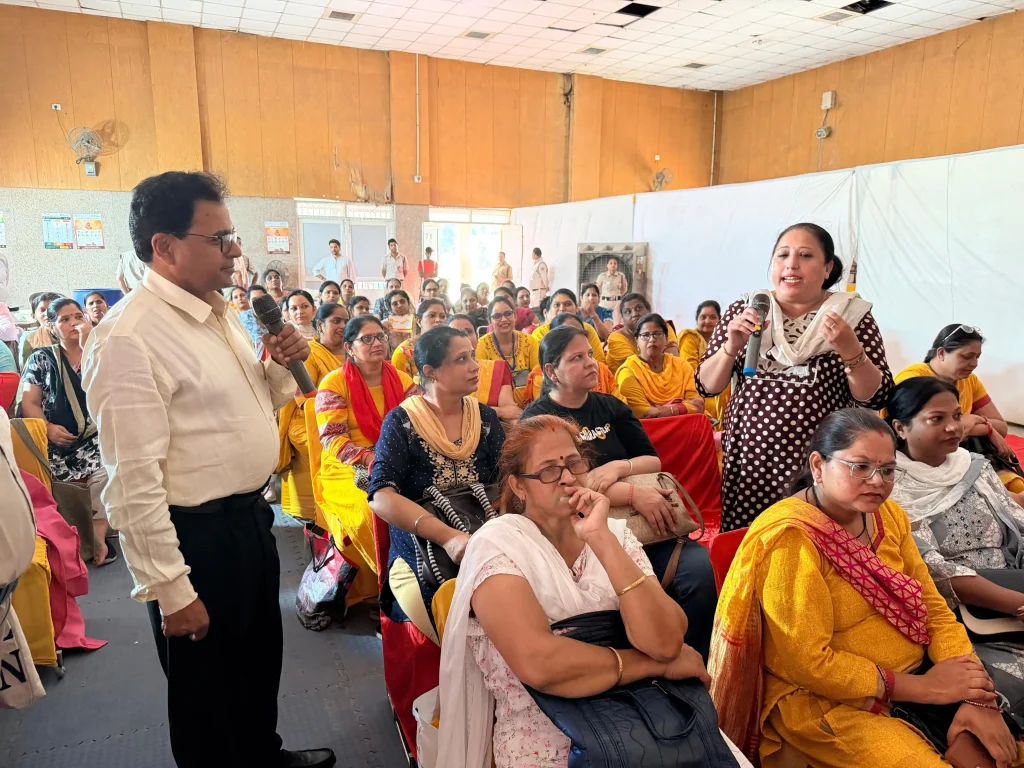
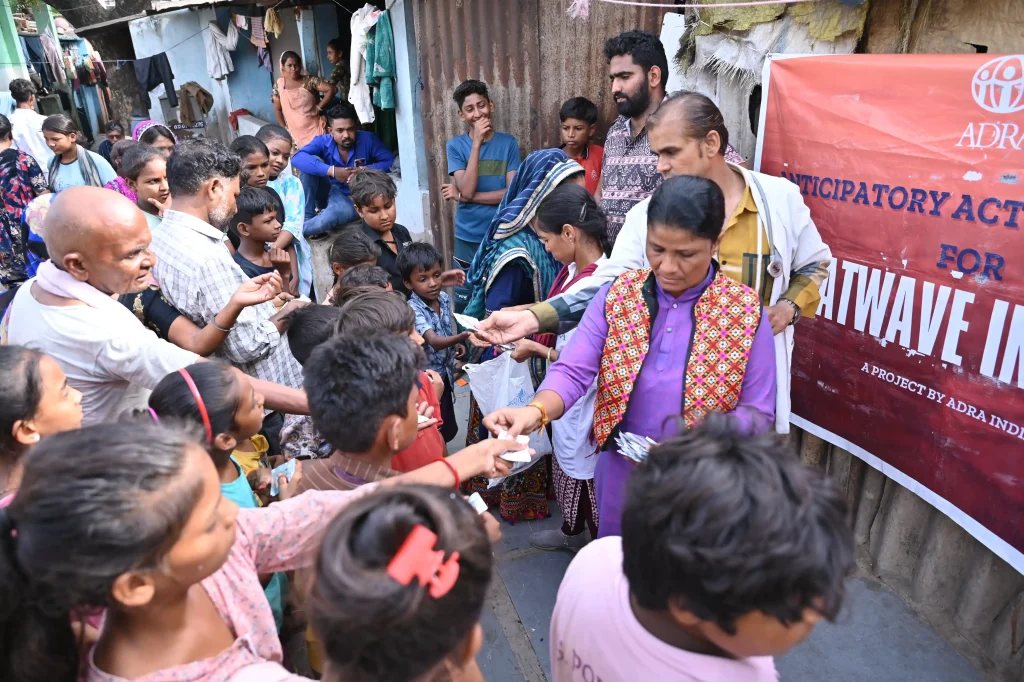
Ahead of record-breaking summer temperatures, ADRA India activates anticipatory heatwave responses across Delhi-NCR, Gujarat, Maharashtra, and Madhya Pradesh, developed with NDMA and District Disaster Management Authorities. The model treats heat as a threat that reaches people differently — street vendors, gig and construction workers, the homeless, frontline staff, the elderly, and children — and responds with location-specific measures. These have included community cooling centres offering shaded rest and drinking water, air coolers and green shade structures in high-traffic public spaces, urban tree plantation to cool exposed corridors, and Phase Change Material cool vests piloted with Delhi Police and Public Works Department workers in coordination with NDMA. Trained volunteers identify heat stress early and carry safety, hydration, and rest messages through community networks.

ECOL

Empowering Communities through Eco-Livelihoods

ECOL turns environmental stewardship into stable rural livelihoods across South India. With ADRA Austria and the local administration, the project promotes large-scale tree plantation and agroforestry on public and community land, restoring ecosystems while generating income from fruit, sap, fuel, and leaves. ECOL aims to plant 2,25,000 native saplings over three years, linking local action to global climate goals through carbon sequestration and community-owned carbon credits. By engaging farmers, self-help groups, and individuals, it builds long-term resilience where people and nature thrive together.

PRECISE

Climate variability, recurring floods, erratic rainfall, and rising temperatures increasingly threaten livestock-dependent households in Assam. PRECISE strengthens the climate resilience of smallholder dairy farmers by promoting climate-smart livestock management, improving adaptive capacity, and reducing vulnerability to environmental shocks. Implemented in Baksa district, the project improves livestock productivity through resilient fodder systems, breed improvement, animal health services, climate-resilient dairy infrastructure, and strengthened market access. By ensuring year-round feed availability, reducing livestock disease risks, and diversifying household income sources, PRECISE enables farming families to better withstand climate-related disruptions while improving food security and economic stability.

SCORE

Communities in Assam’s tea-growing regions face increasing climate risks, including flooding, heat stress, changing rainfall patterns, and declining livelihood security. SCORE strengthens the resilience of vulnerable households by supporting climate-adaptive livelihoods, community preparedness, and sustainable economic opportunities. The project works with youth, women, self-help groups, and marginalised communities to diversify income sources, promote entrepreneurship, improve financial resilience, and strengthen local institutions. By reducing dependence on climate-sensitive livelihoods and building adaptive capacities at household and community levels, SCORE supports communities to better manage environmental shocks while creating pathways for long-term, inclusive development.

PALM LIFE

PALM LIFE harnesses the climate resilience of the palmyra palm to create sustainable livelihoods while restoring local ecosystems in Tamil Nadu. As a drought-tolerant native species capable of thriving in arid and water-stressed environments, palmyra palms offer a nature-based solution to climate adaptation while generating economic opportunities for rural communities. The project develops climate-resilient value chains around palm-based products, strengthening producer groups, women-led enterprises, and local entrepreneurs. Through sustainable harvesting, value addition, market linkages, and enterprise development, PALM LIFE promotes green livelihoods that reduce environmental degradation and increase household resilience. By conserving and expanding palmyra-based landscapes, the project also contributes to carbon sequestration, biodiversity conservation, soil protection, and long-term climate adaptation.

Closed Projects

HPDRR

Himachal Pradesh Disaster Risk Reduction

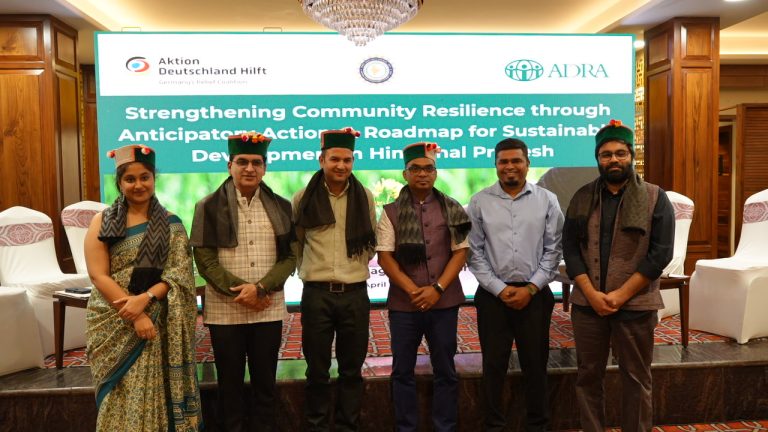
Implemented with Aktion Deutschland Hilft eV and ADRA Germany, HPDRR strengthened disaster preparedness and early recovery across Shimla, Solan, and Kullu. Reaching over 30,000 people, it improved WASH facilities, introduced livelihoods such as mushroom cultivation and vermicomposting, established Disaster Management Centres, trained teachers in school safety, and raised awareness on heatwave preparedness. The project shifted the local response to disaster from isolation toward organisation, adaptation, and collective action.

Community-Led Heatwave Response, Barmer

Himachal Pradesh Disaster Risk Reduction

Best practice — Rajasthan, 2024.
As temperatures reached 50°C in Barmer, Rajasthan, ADRA India ran a one-month community-led response (20 May – 20 June 2024) that reached over 12,404 people. The response supported 293 vulnerable households — 1,406 individuals — with cash assistance of INR 3,000 each for food and water; local leaders converted community halls into 11 cooling centres used by more than 6,540 people; and Risk Communication and Community Engagement reached a further 4,002 people across eight other project locations. The response informed ADRA India’s wider anticipatory action model.

NEWS & Case Studies